

return to ritual — 10% off your first order with code RITUAL
Ageing hero — ancient olive tree

möxche · the spiral within

Plate VIII — Longaevitas

The Spiral Within · 08

Ageing & Longevity

Slow circulation ages faster than time does.

Why this matters

A practice of tending.

Ageing is not a process to fight. It's a process to tend. The visible markers — skin tone, fascial mobility, recovery time — track underlying systems: microcirculation, lymphatic flow, mitochondrial health. These respond to daily input. They decline when ignored.

This pillar treats longevity as a practice of maintenance rather than reversal. Daily stimulation of circulation. Daily clearance of waste. Slow tools, soft pressure, repeated rhythms. The body that has been tended this way at fifty looks and moves differently than the body that has not.

The architecture

Where ageing actually happens.

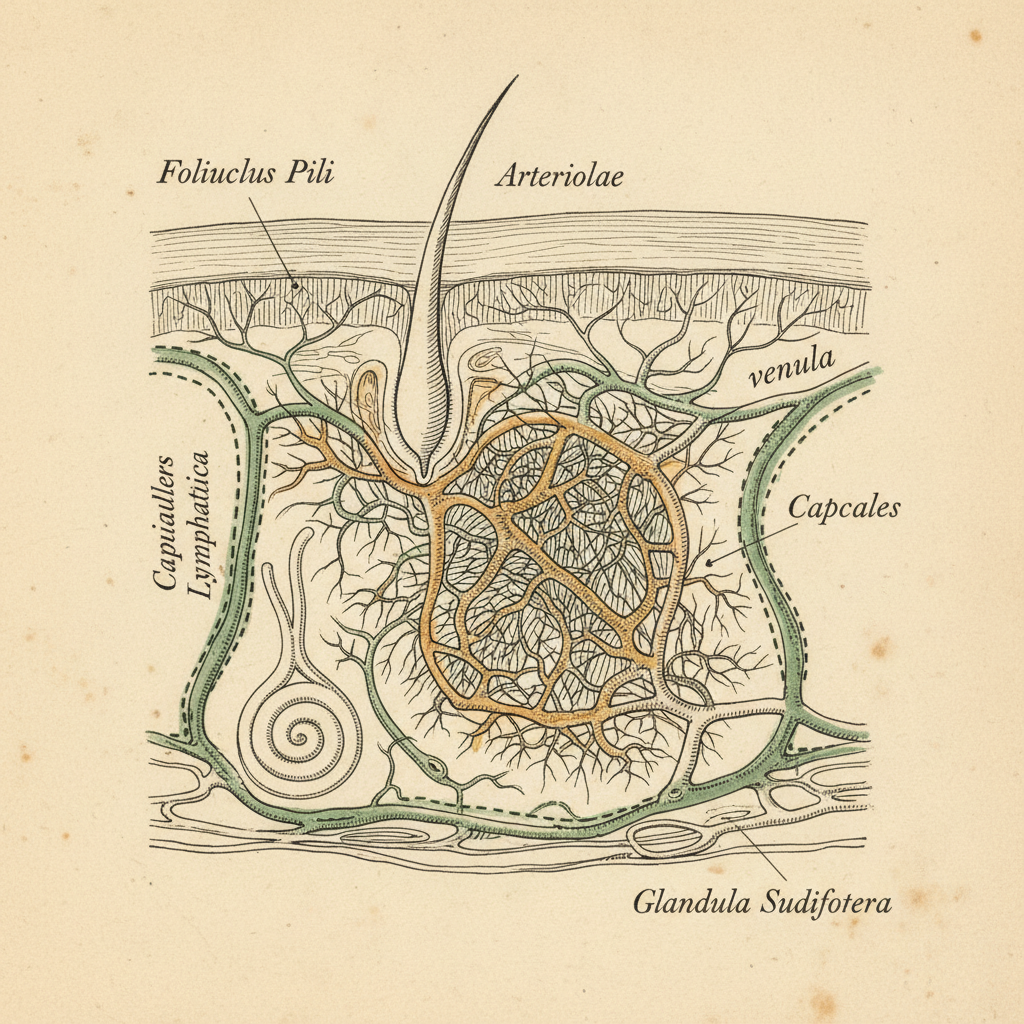
Microcirculation — capillary network anatomy
Plate VIII — Capillary and lymphatic network, after Spalteholz.
  1. 1

    Capillary network

    The smallest vessels, where exchange happens. First to decline with age, first to respond to stimulation.

  2. 2

    Microcirculation

    Blood flow at the tissue level. Determines delivery of oxygen and nutrients to every cell.

  3. 3

    Lymphatic capillaries

    Parallel network. Clears what circulation delivers and the cells leave behind.

  4. 4

    Tissue tone

    The visible result. Plumpness, colour, suppleness — all downstream of circulation and clearance.

Studies in age

Things that age well, observed.

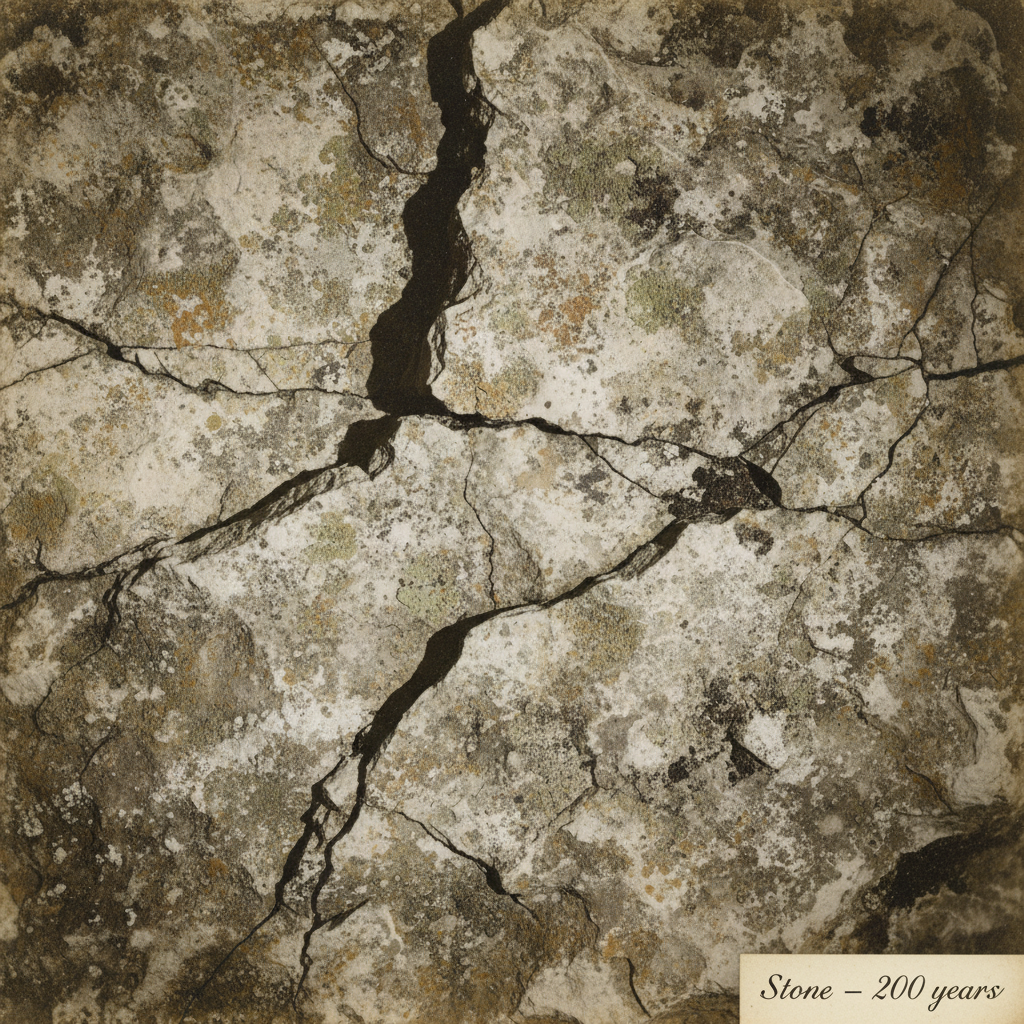
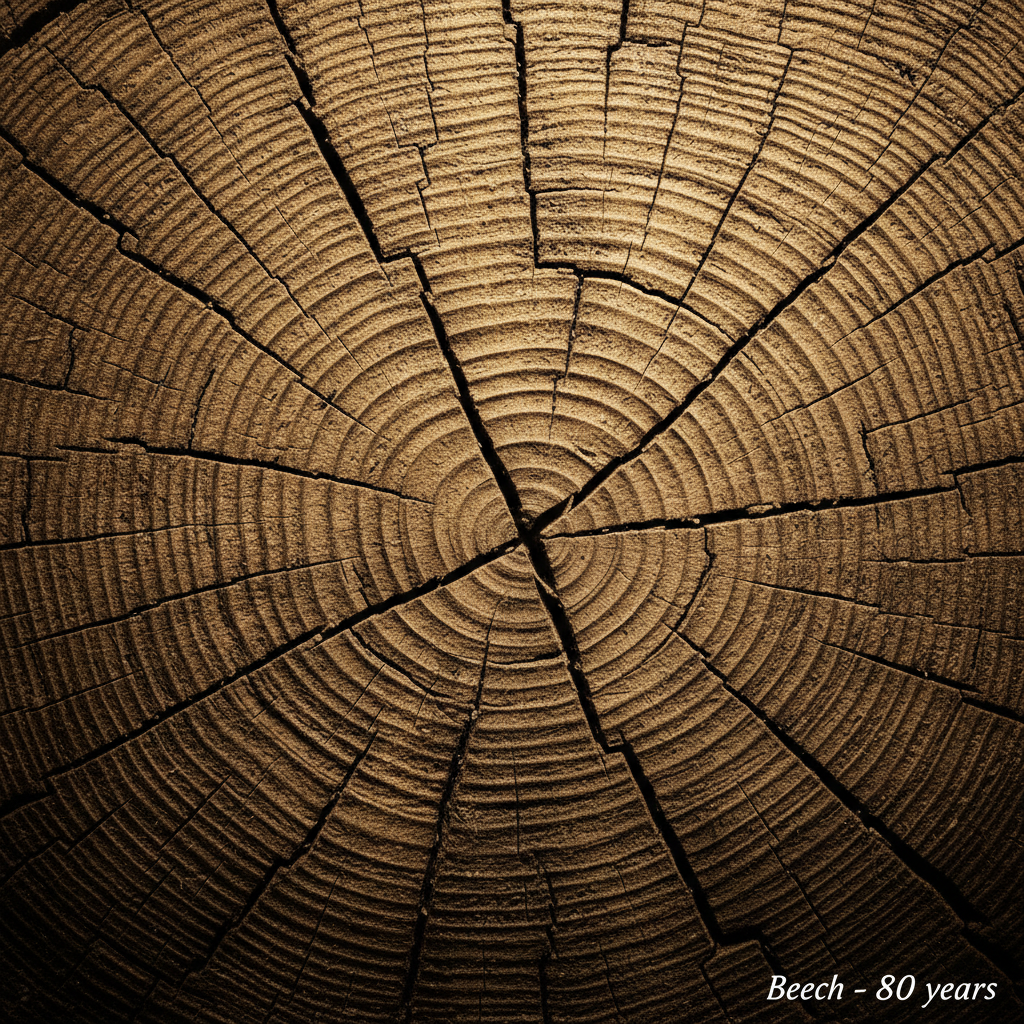
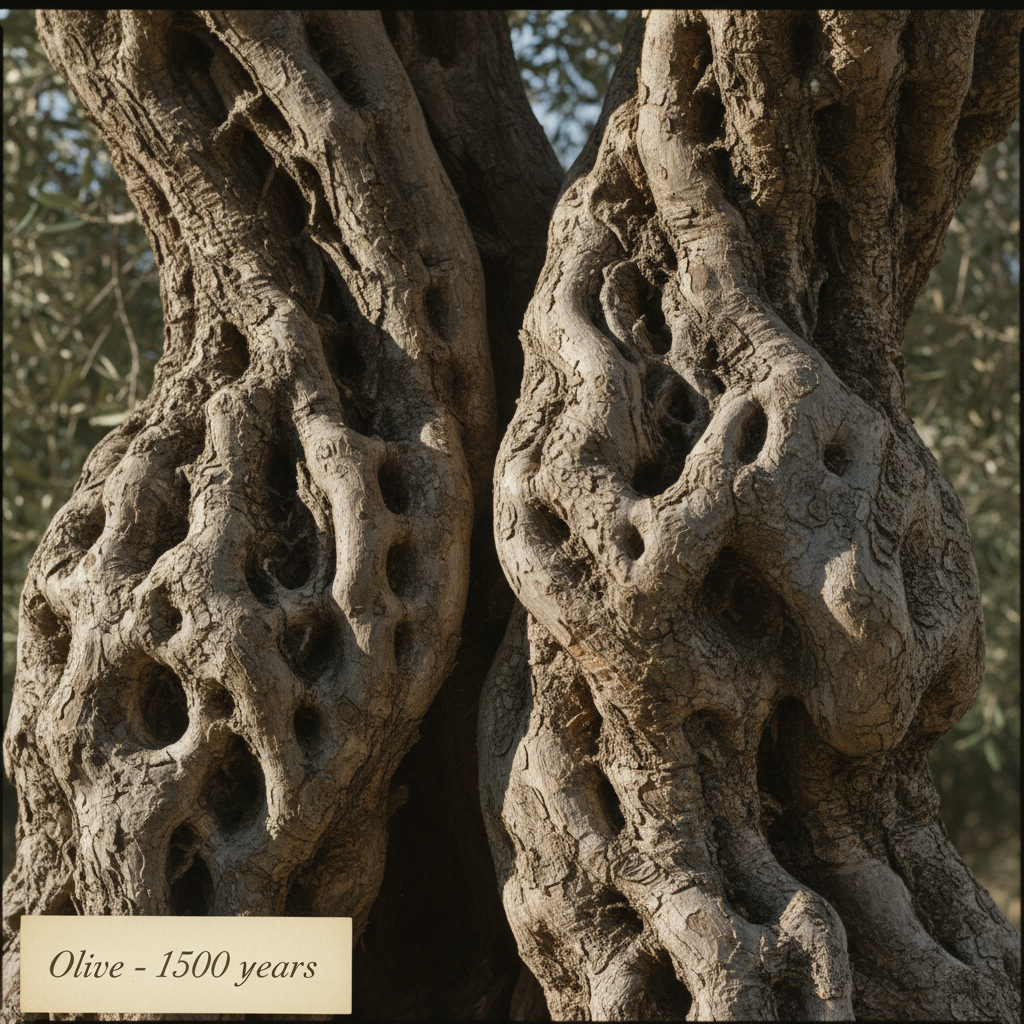
The materials and forms that look better at fifty than at five usually share three traits: honest substance, daily use, and patience. The body operates on the same principles.

Weathered stone
Stone — 200 years
Aged wood grain
Beech — 80 years
Olive tree bark
Olive — 1,500 years
Tarnished copper
Copper — patinaed
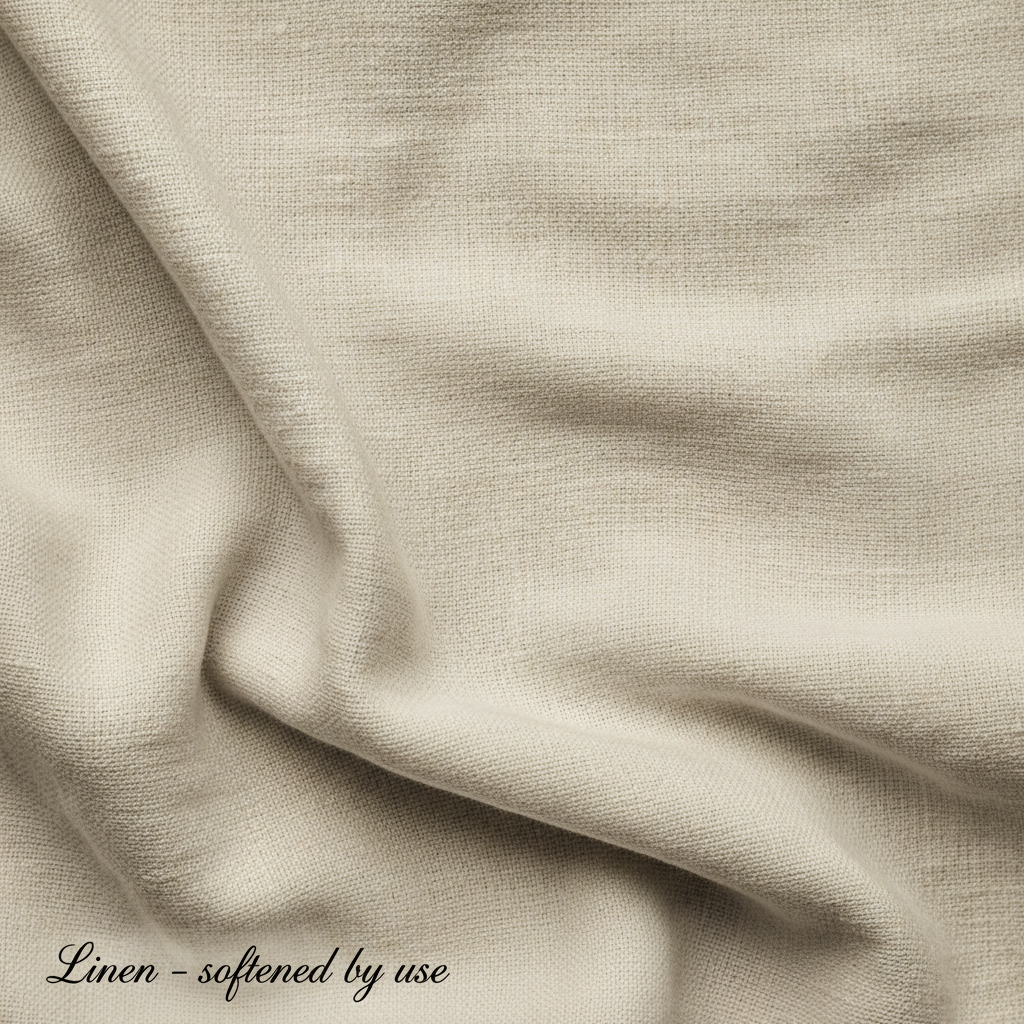
Worn linen cloth
Linen — softened by use

Going deeper

Ageing as remodelling, not decline.

The body at every age is responsive to input. Most of what people experience as 'just ageing' is the cumulative effect of input the body wasn't getting.

What the body actually does over decades

Ageing is not decline. It is remodelling — continuous reorganisation of every tissue in the body across decades, in response to use, input, and environment. Some of this remodelling is genetically programmed. Most of it is responsive: the body becomes what it is asked to be.

The systems that drive what we see as 'age' are predictable. Microcirculation diminishes — capillary density drops, capillary integrity weakens, oxygen and nutrient delivery to tissues slows. Lymphatic flow slows — the same drainage system that needed daily input at thirty needs more attention at sixty. Fascial mobility reduces — connective tissue dehydrates and adheres without movement and stimulation. Mitochondrial function declines — cellular energy production drops, recovery takes longer. Collagen turnover slows — synthesis declines from age twenty-five onward, faster from forty-five.

None of these decline at fixed rates. They decline at the rate the body permits, which is heavily shaped by how the body is treated. The variability between individuals at sixty-five is mostly variability in input, not genetics.

Why most anti-ageing approaches miss the foundation

The anti-ageing market focuses overwhelmingly on the surface: topical products, cosmetic procedures, fillers, lasers. These work on what is visible. They do not address what is happening underneath the visible.

The body that looks ageing-resistant at sixty has typically been tended — daily microcirculation, daily lymphatic flow, regular movement, prioritised sleep, mineral-replete nutrition, low chronic inflammation, regulated nervous system. The visible markers (skin tone, posture, vitality) are the downstream effect of those upstream practices.

This is why someone with an extensive skincare routine and an unattended lymph or fascial system can look older than someone with a minimal routine but daily systemic care. The surface follows the foundation. Reversing this — focusing on surface while neglecting foundation — gives diminishing returns and increasingly invasive interventions that don't compound.

The body that looks ageing-resistant at sixty has typically been tended — daily, for decades.

What daily practice does to long-term ageing

The compounding is real. Ten minutes a day of practice — three of brushing, two of breath, two of gua sha, three of slow stretching — across thirty years amounts to roughly 1,800 hours of direct input into the systems that drive how the body ages. That is more time than most people spend on most things they consider important.

The visible payoff is what shows up in photographs across decades: the same person, less collapsed, better-coloured, more mobile. The invisible payoff is larger: a vascular system that has stayed responsive, a fascial system that has stayed mobile, a lymphatic system that hasn't stagnated, a nervous system that has range. These don't show up on cameras. They show up in capacity — the ability to recover, to move, to think clearly, to enjoy the body still.

Practices that compound work better than interventions that don't. Daily, modest, repeated. The body responds to the rhythm.

How you'll know it's working

Ageing-related changes happen on long timescales, but daily practice has near-term signals worth tracking:

  • Recovery time. A regulated, well-circulated body recovers from late nights, hard workouts, and stressful weeks faster. This is one of the earliest measurable changes in ageing — and one of the first to improve.
  • Skin character. Not in dramatic terms, but in the felt quality. Skin that feels and looks lit-from-within rather than dull or flat. This emerges over months of daily microcirculation and clearance work.
  • Sleep architecture. A body that has decongested through the day tends to settle more easily at night. Sleep is when most cellular and tissue repair happens.
  • Felt range. The morning stretch, the reach across to the back seat, the squat to pick something up. These should not become harder year over year if the body is being moved through full range daily.

Track yearly photographs. Side-by-side, the small daily inputs are visible across two or three years.

When self-care isn't enough

Sudden changes — rapid weight loss, persistent fatigue, cognitive changes, new pain patterns, unexplained symptoms — are not part of normal ageing and warrant further investigation. The body's slow, gradual remodelling is one thing. Sudden changes signal something else.

Hormonal transitions (perimenopause, andropause) often benefit from clinical support. Lymphatic and fascial work continue alongside; they don't replace appropriate hormone-replacement decisions where those are the right path. The same is true for thyroid issues, cardiovascular concerns, and bone density questions — get the assessment, then layer the daily care on top.

Common misconceptions

What people get wrong about ageing.

Five things the anti-ageing industry has miscommunicated. Each correction shifts the work from intervention toward tending.

  • Myth

    Anti-ageing creams reverse the visible signs.

    Reality

    Topical retinoids meaningfully refine skin texture and pigmentation; antioxidants offer some surface protection. They do not reverse structural age — collagen loss, fascial stiffening, microcirculatory decline. The deeper work happens through systemic care.

  • Myth

    Collagen pills rebuild your skin.

    Reality

    Oral collagen is digested into amino acids and small peptides. The body uses these where it needs them most — which may or may not be the skin. Some research suggests modest skin benefits at high doses; the mechanism isn't direct rebuilding. Daily microcirculation does more for collagen than the supplement alone.

  • Myth

    Botox prevents ageing.

    Reality

    Botulinum toxin reduces muscle activation, which softens dynamic wrinkles. It does not address the underlying tissue ageing — fascial stiffening, lymphatic stasis, collagen decline. It freezes a frame; it doesn't tend the body.

  • Myth

    Genetics determine how you age.

    Reality

    Genetics set a range; lifestyle determines where in the range you land. Twin studies suggest 70-80% of how people age is environmental and behavioural, not genetic. Daily practice across decades is a primary input.

  • Myth

    It's too late to start.

    Reality

    The body responds at every age. Microcirculation, fascial mobility, lymphatic flow, nervous system regulation all improve with input regardless of starting point. The compounding may be smaller than starting at thirty, but the response is real and measurable at sixty, seventy, beyond.

The tool that serves this pillar

Baltic Amber Gua Sha

Microcirculation responds to daily, low-pressure stimulation more than it responds to peptides or lasers. The gua sha session is unglamorous and cumulative. Two months in, the colour returns. Six months in, the texture changes. Ten years in, you look like someone who tended.

Explore the gua sha

from the journal

Keep reading.