Coming soon — sign up to be the first to know
Method hero — botanical spiral

möxche · the spiral within

Plate X — Methodus

The Spiral Within · 10

The Möxche Method

Three minutes is the dose. Daily is the rhythm. Two weeks is the threshold.

Why this matters

What right looks like.

Most people use these tools wrong because nobody told them what right looks like. Too hard. Too fast. Too rarely. The Method is the answer to those three problems — a sequence, a frequency, a pressure, a duration. Calibrated by years of clinical practice and reduced to what actually fits inside a morning.

This pillar is the operating instructions. Six steps. Three minutes. Done before coffee. The body responds to consistency more than intensity. Two weeks of daily practice changes more than two months of weekly intention.

The sequence

Six steps. Three minutes. Daily.

  1. 01
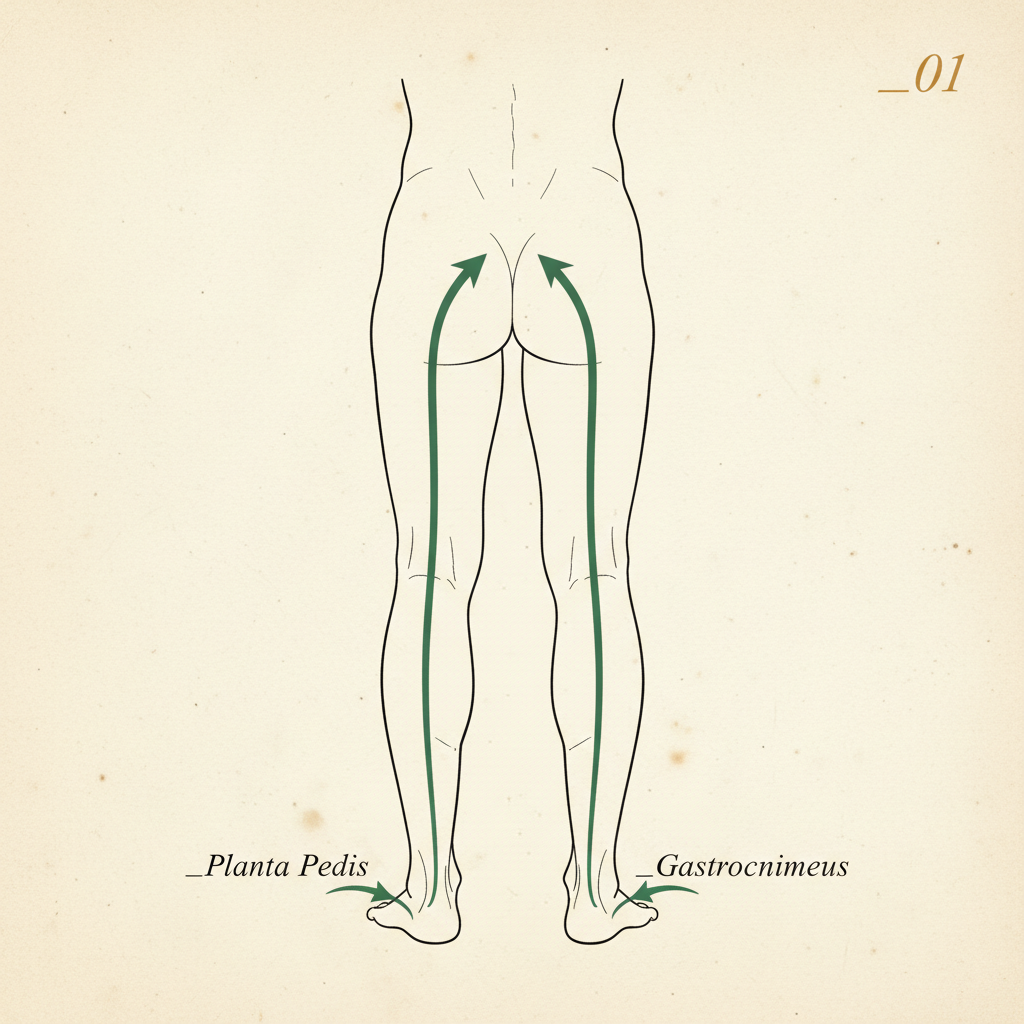
    Soles, ankles, calves

    00:15

    Soles, ankles, calves

    Begin at the feet. Long, upward strokes toward the heart. The lymph follows pressure; the pressure should follow the route home.

  2. 02
    Thighs, buttocks

    00:30

    Thighs, buttocks

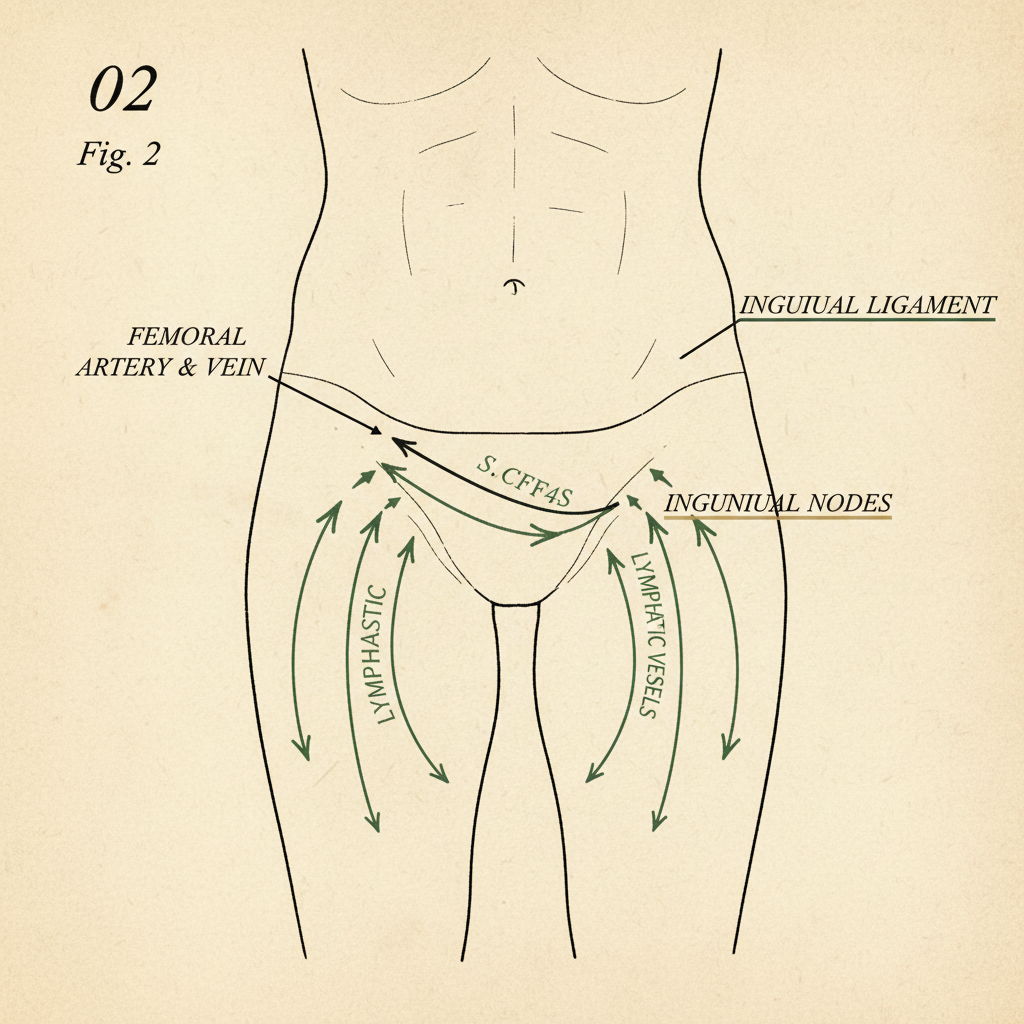
    Continue upward in long sweeps. Toward the inguinal nodes — the crease of the hip. Light, even, unhurried.

  3. 03
    Abdomen, lower back

    00:30

    Abdomen, lower back

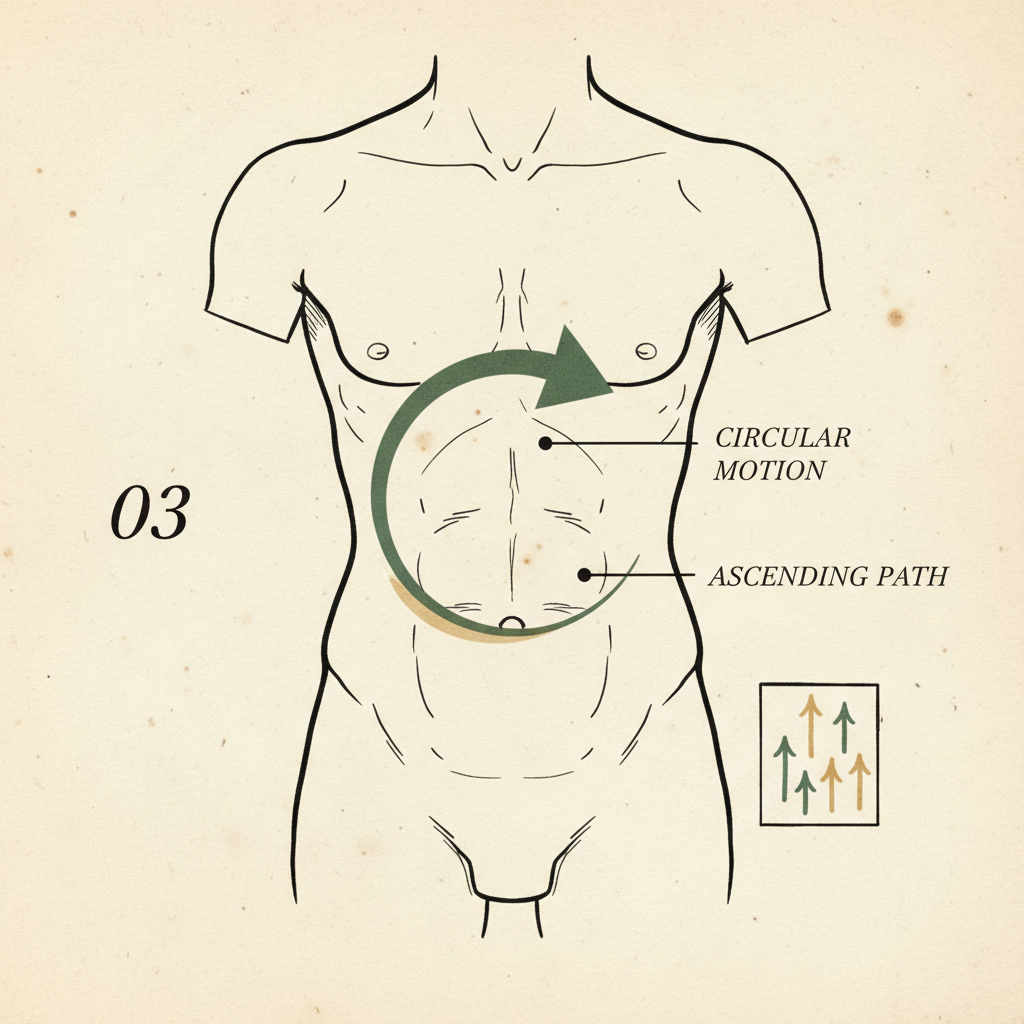
    Slow, clockwise circles on the abdomen. The colon moves clockwise; the brush follows. The lower back, in long upward strokes.

  4. 04
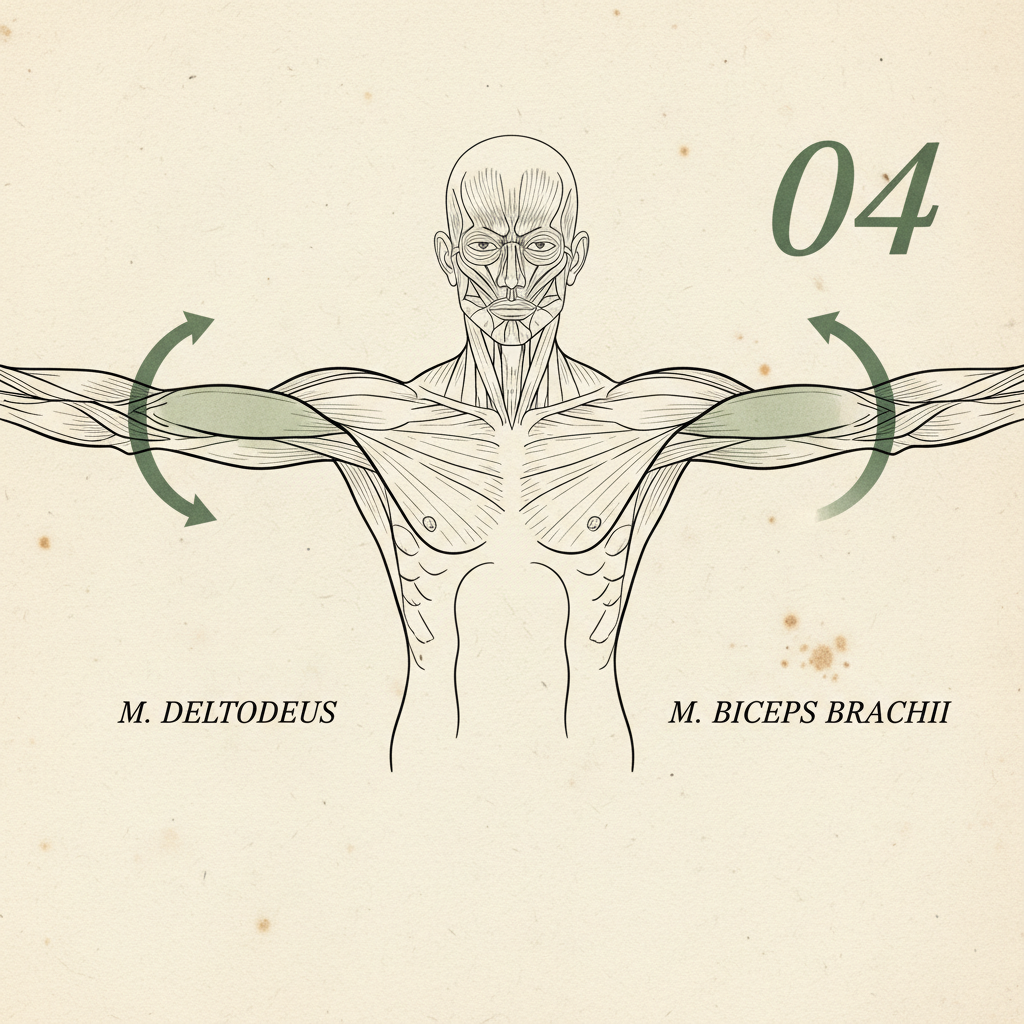
    Hands, arms, shoulders

    00:30

    Hands, arms, shoulders

    Wrist to shoulder, both arms. Always toward the axillary nodes in the armpit. The brush moves; the body relaxes.

  5. 05
    Chest, upper back, neck

    00:45

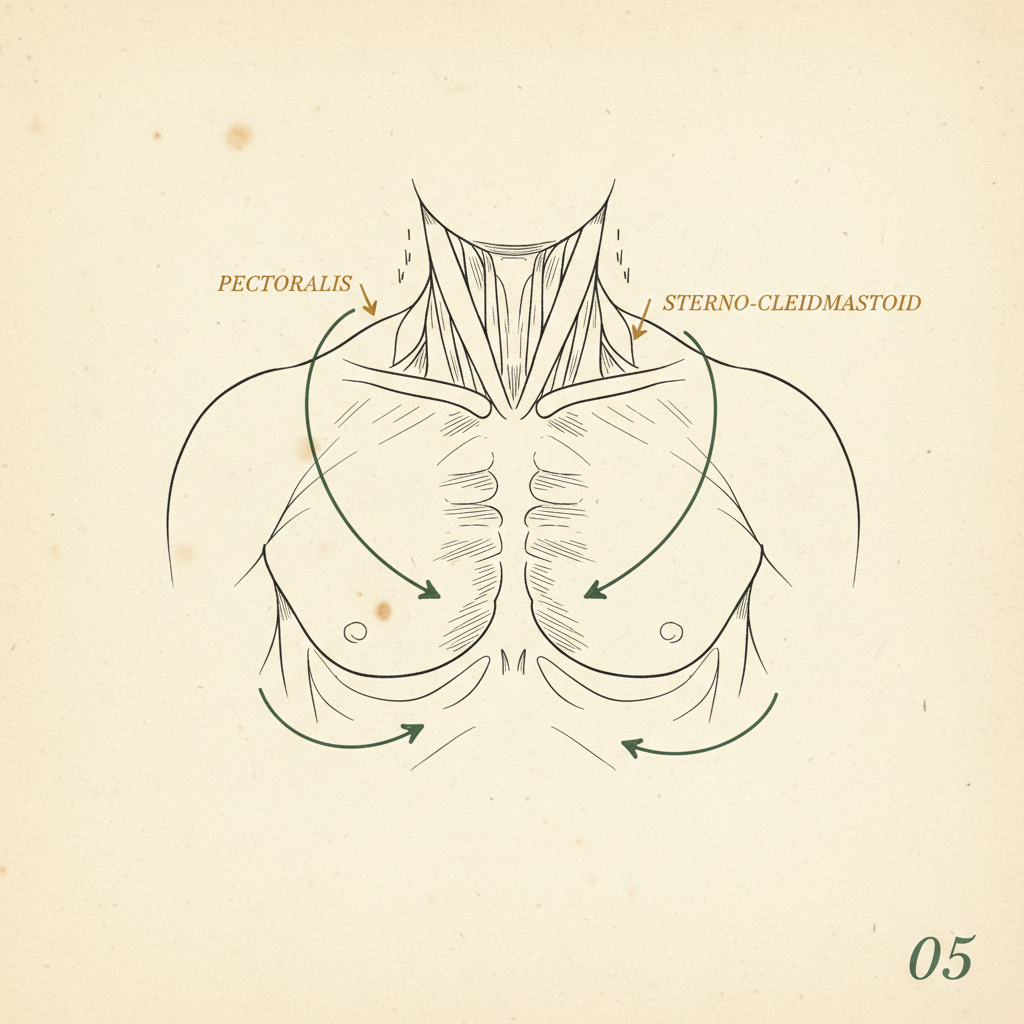
    Chest, upper back, neck

    Around — never over — the breasts. Toward the collarbone, where the lymph empties. Then the back of the neck, in soft downward strokes.

  6. 06
    Pause, then water

    00:30

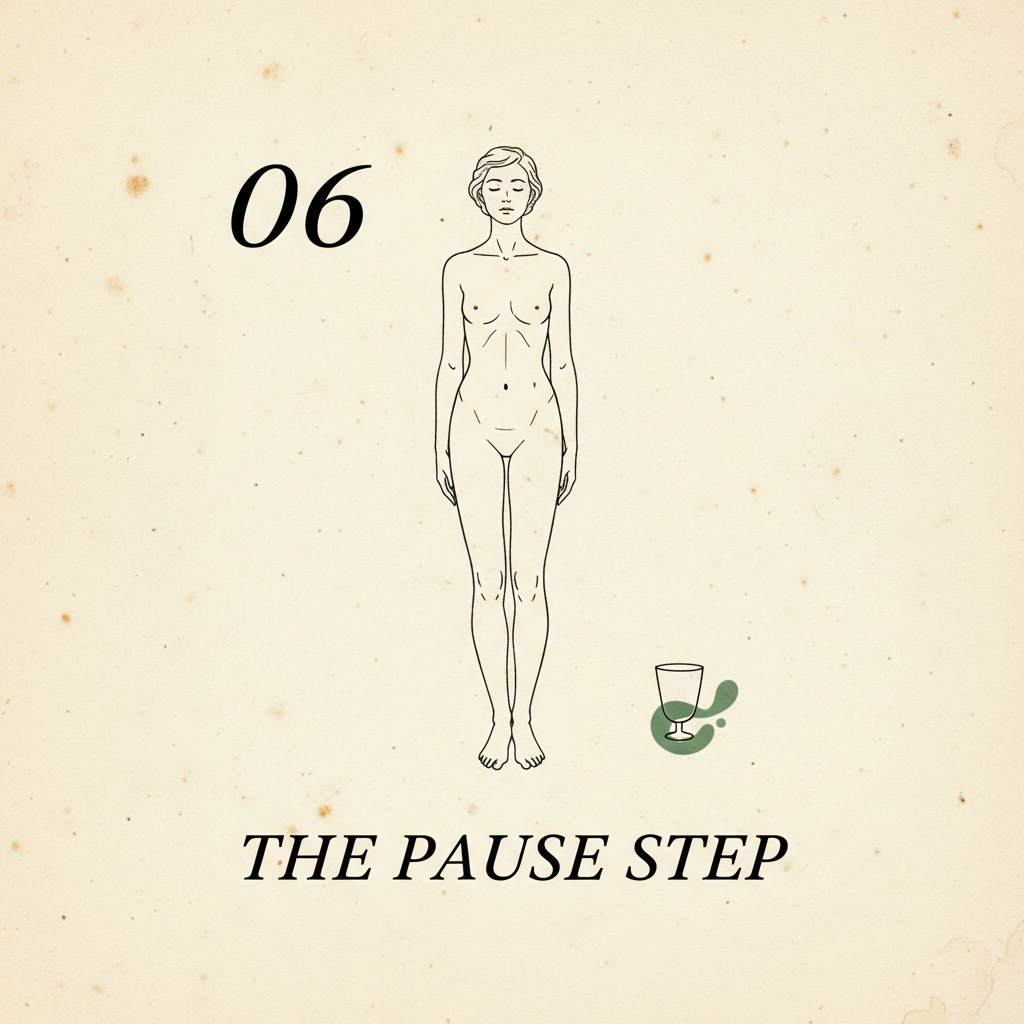
    Pause, then water

    Stand still. Notice the warmth. Drink water. Whatever was moved needs somewhere to go.

Step-by-step, expanded

Each step, with its detail.

The Method's six steps, expanded with the common errors and corrections we see most often. Click any step to read.

01 01 · Soles, ankles, calves (15s)
01 · Soles, ankles, calves (15s)
Ankle and calf — upward strokes

Begin at the feet. Long, upward strokes, each one moving toward the next drainage point. The skin should pink slightly — not redden. Common error: brushing back-and-forth instead of one direction. Lymph is a one-way circuit. The strokes follow.

02 02 · Thighs, buttocks (30s)
02 · Thighs, buttocks (30s)
Thigh sweeps to inguinal nodes

Continue upward, both legs, in long sweeps toward the inguinal nodes (the crease of the hip). Gentle, even, unhurried. Common error: brushing too hard on the thighs because the tissue feels capable of taking it. Light pressure is correct everywhere.

03 03 · Abdomen and lower back (30s)
03 · Abdomen and lower back (30s)
Abdomen — clockwise circles

Slow clockwise circles on the abdomen. The colon moves clockwise; the brush follows the natural direction of digestion. Common error: counter-clockwise (instinctive for left-handed users). Always clockwise on the belly.

04 04 · Hands, arms, shoulders (30s)
04 · Hands, arms, shoulders (30s)
Wrist-to-armpit on both arms

Wrist to shoulder, both arms. Always toward the axillary nodes (armpit). Inside of the arm and outside both. Common error: brushing from shoulder down to hand. That's away from drainage. Always upward.

05 05 · Chest, upper back, neck (45s)
05 · Chest, upper back, neck (45s)
Chest converging to collarbone

Around the breasts (never directly over them — the tissue is sensitive and the lymphatic drainage is to the sides), toward the collarbone where the lymph empties. Then back of the neck in soft downward strokes. Common error: forgetting the cervical chain along the sides of the neck.

06 06 · Pause, then water (30s)
06 · Pause, then water (30s)
Standing pause, glass of water

Stand still for thirty seconds. Notice the warmth in the skin, the easier breath. Drink a full glass of water. Whatever was moved needs somewhere to go — and the body needs the fluid to move it.

Going deeper

The Method, fully explained.

Most of what's written about dry brushing online is either too vague to follow or too elaborate to sustain. This is the version we use ourselves.

Why a method, instead of just a tool

The same tool, used differently, produces different results. A copper brush dragged across the skin for ten distracted minutes does less than the same brush moved deliberately for three. A gua sha used on bare skin without oil scrapes; the same gua sha used with the right slip moves fascia. The mechanism is real — but only if the practice is right.

The Möxche Method is the calibrated practice. It exists because the most common reason a tool 'doesn't work' is that the user has guessed at how to use it. Pressure too firm or too light. Direction inconsistent or wrong. Sequence too random to give the lymph a path home. Duration too long for lymphatic work and too short for fascial work. The Method takes the guessing out.

Each element is calibrated. The dose (three minutes) is where the lymphatic stimulation peaks before plateauing. The pressure (light) is what the lymphatic vessels can absorb without collapsing. The direction (toward the heart, toward drainage points) matches the one-way circuit of the lymphatic system. The frequency (daily) is the rhythm at which the system actually adapts. The threshold (two weeks) is when the cumulative effect becomes visible.

The four principles, plainly

Distal to proximal. Always work from the extremity toward the centre — feet to heart, hands to armpits, neck downward. The lymph runs toward central drainage points. Working away from those points pushes fluid in the wrong direction.

Light pressure, slow tempo. The lymphatic vessels sit within millimetres of the skin's surface and collapse under firm pressure. The right pressure is barely visible — enough to move the skin, not enough to redden it. Slow tempo gives the vessels time to fill and empty.

Consistent direction. Each stroke moves in one direction only — toward the next drainage point. Random or back-and-forth strokes don't build lymphatic momentum.

Daily rhythm. The lymphatic system responds to consistency more than intensity. Three minutes daily does more than thirty minutes weekly. The body learns the rhythm and begins to anticipate it; the parasympathetic shift starts before the brush touches the skin.

Common errors and how to correct them

Brushing too hard. The most common mistake. The brush should leave the skin slightly pink — not red, not scratched. Bristles should glide over the surface, not drag. If the skin is angry afterwards, lighten by half.

Brushing in the wrong direction. If you're brushing the abdomen counter-clockwise, you're working against the colon's natural movement. If you're brushing the arm from shoulder to wrist, you're moving lymph away from drainage. The corrective: always check the direction at every section.

Skipping sections. The body is a connected system; missing the popliteal nodes (behind the knees) or the cervical chain (sides of the neck) creates bottlenecks. Three minutes is short enough that nothing should be skipped.

Brushing on broken or irritated skin. Open wounds, recent sunburn, active eczema or psoriasis flares — wait. The brush is for healthy or settled skin. Otherwise the same input becomes inflammatory.

The body learns the rhythm. The parasympathetic shift starts before the brush touches the skin.

The face method (gua sha)

The body method (above) uses a brush. The face method uses a gua sha — different tool, related principles.

Always with oil. Bare skin and gua sha is for the body, not the face. Use a clean, simple facial oil — jojoba, squalane, or a high-quality argan. The slip protects the capillaries.

Outward strokes only. From the centre of the face outward toward the ears, then down the neck to the collarbone. Five passes per zone, light pressure, slow tempo.

The sequence. Forehead first (centre to temples). Eye area (gentle, no pressure under the eye). Cheeks (nose outward). Jaw (chin to ear). Neck (jaw downward to collarbone). Always finish at the collarbone — that's where the facial lymph drains.

Frequency. Three to four times a week is right for face. Daily can over-stimulate sensitive skin. Five to seven minutes per session.

The threshold and what comes after

Two weeks of daily practice is the threshold for the body method. Most people see meaningful change — softer morning face, lighter abdomen, brighter skin tone — by day fourteen. If you've practised correctly for two weeks and notice nothing, the most likely cause is pressure (too firm) or direction (incorrect). The mechanism is reliable; the application sometimes isn't.

Beyond the threshold, the practice deepens. Daily becomes second nature. The body learns the rhythm. The benefits compound. By month three, the changes are structural — fascia mobile, microcirculation responsive, lymph clearing reliably. By month six, this is what the body is.

The Method is finite. It is six steps, three minutes. Beyond that, the practice opens — into longer gua sha sessions when the body needs it, into walks for breath and lymph, into stretches for fascia, into the rest of the spiral. The Method is the entry. What comes after is the practice.

Common misconceptions

What people get wrong about daily practice.

Six things that determine whether the Method works for you. Each is correctable in the next session.

  • Myth

    Longer sessions = better results.

    Reality

    Three minutes is the lymphatic dose. Beyond five, the work shifts to skin and muscle, not lymph. More time is not more lymph — it's just more brushing.

  • Myth

    You should feel sore after dry brushing.

    Reality

    Light tingling and warmth are normal. Soreness or scratching means too much pressure. The brush should leave skin pink, not red. Lighten by half if there's any abrasion.

  • Myth

    Weekly brushing is enough.

    Reality

    The lymphatic system responds to consistency more than intensity. Three minutes daily outperforms thirty minutes once a week. The body learns the rhythm; the rhythm is the practice.

  • Myth

    Direction doesn't matter much.

    Reality

    Direction is the entire mechanism. The lymph is a one-way circuit. Wrong direction doesn't help and can push fluid backward. Always: distal to proximal, toward the heart, toward drainage points.

  • Myth

    Brushing should hurt to be working.

    Reality

    Lymphatic work is so light it feels like nothing is happening. Mechanoreceptor input doesn't require force. If your daily practice hurts, the lymph is being missed entirely — the work has shifted to muscle.

  • Myth

    You can skip days and catch up later.

    Reality

    The Method works through cumulative input. Skipped days don't compound; they reset the rhythm. Three days off resets the body's anticipation and softens the parasympathetic learning. Daily is daily.

The vocabulary

Five words that decide whether it works.

The dose

Three minutes is the dose. Five minutes is the ceiling. More is not better — it stops being lymphatic and starts being mechanical.

The pressure

Light. Lighter than instinct says. The lymph sits within millimetres of the skin; deep pressure misses it.

The threshold

Two weeks. The first session feels good. The fifteenth is when something has changed. Don't judge before then.

The rhythm

Daily, mornings, before coffee. The body learns what it can rely on. Consistency is the active ingredient.

Distal to proximal

From the extremities toward the centre. The direction the lymph naturally flows. The direction every stroke should follow.

Practice further

The tools

Built for the Method.

The brush is calibrated to this sequence — bristle stiffness, handle balance, shape against the curves of the body. Used as instructed, three minutes is enough. Used as instinct dictates, ten minutes feels insufficient. The Method is the difference.

Explore the brush