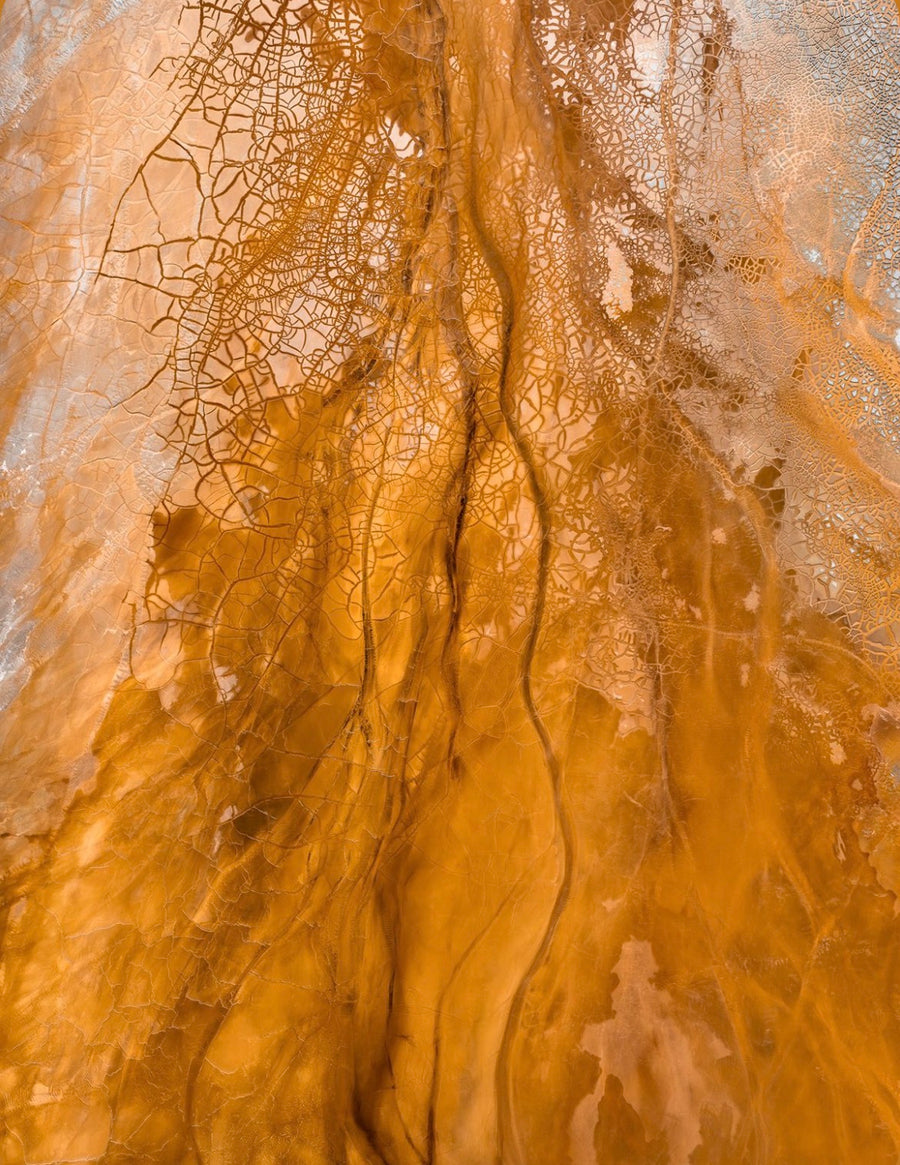
Ionic copper
Drawn into fine bristles. Conductive, antimicrobial, soft enough not to abrade. The reason the brush works the way it does.
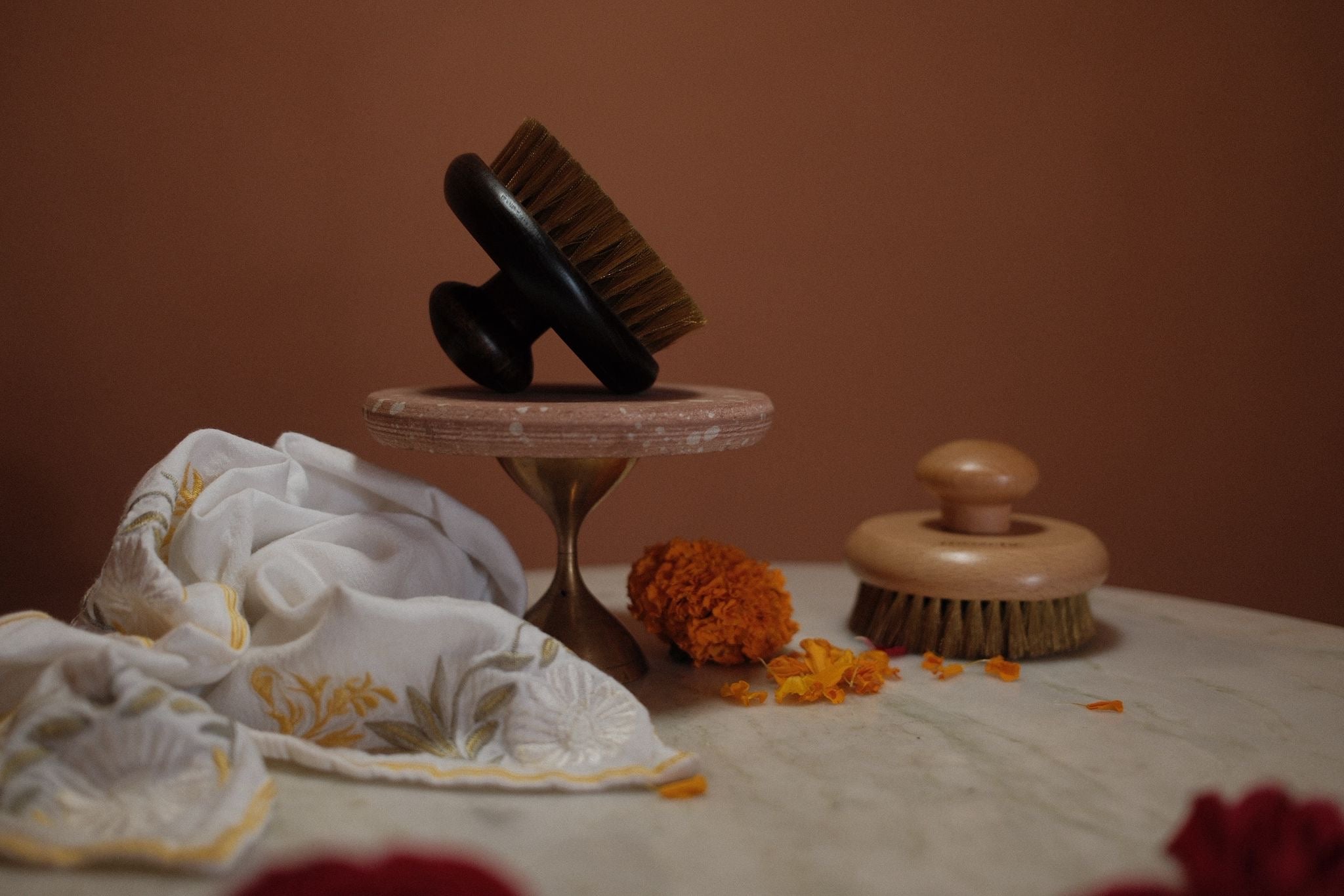
möxche · the spiral within
Plate IX — Materia
The Spiral Within · 09
Copper, amber, beech, walnut. Materials older than the language we use to describe them.
Why this matters
Most wellness tools are designed for a photograph, not a body. We chose materials that have been in human hands for thousands of years and that do measurable physical work — copper conducts, amber holds static, beech resists splitting, walnut weighs in the palm. The look follows the function.
This pillar opens the workshop. Where each material comes from, what it's actually doing on the skin, why we made the choice. There are no synthetics, no plated alloys, no plastics. The honesty of the object is the point.
The materials
Each entry below is what it appears to be. Nothing plated, nothing painted, nothing pretending. The physical properties are the design brief.
Drawn into fine bristles. Conductive, antimicrobial, soft enough not to abrade. The reason the brush works the way it does.
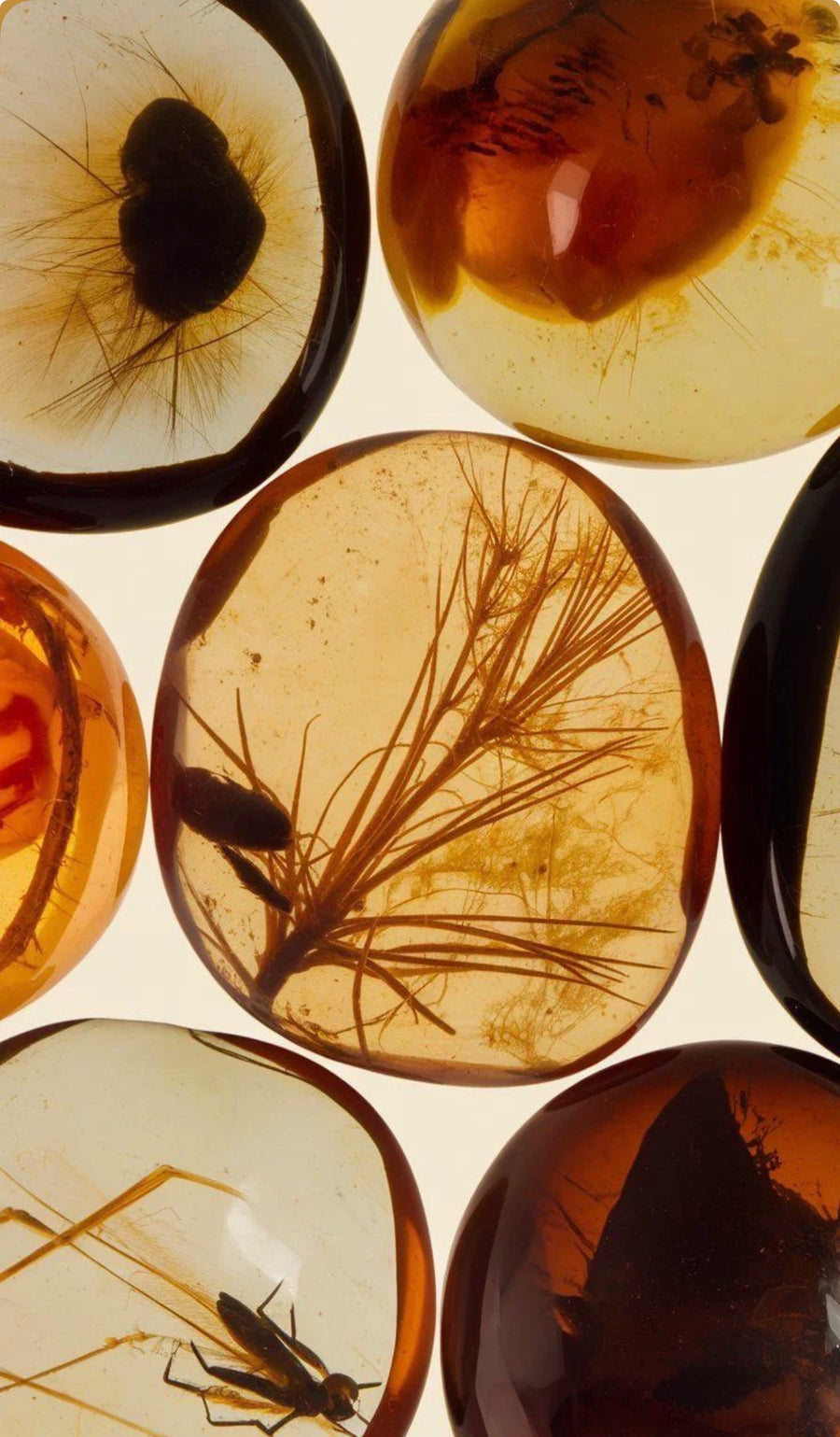
Fossilised tree resin. Holds warmth where stone holds cold. Light in the hand, gentle on the fascia.
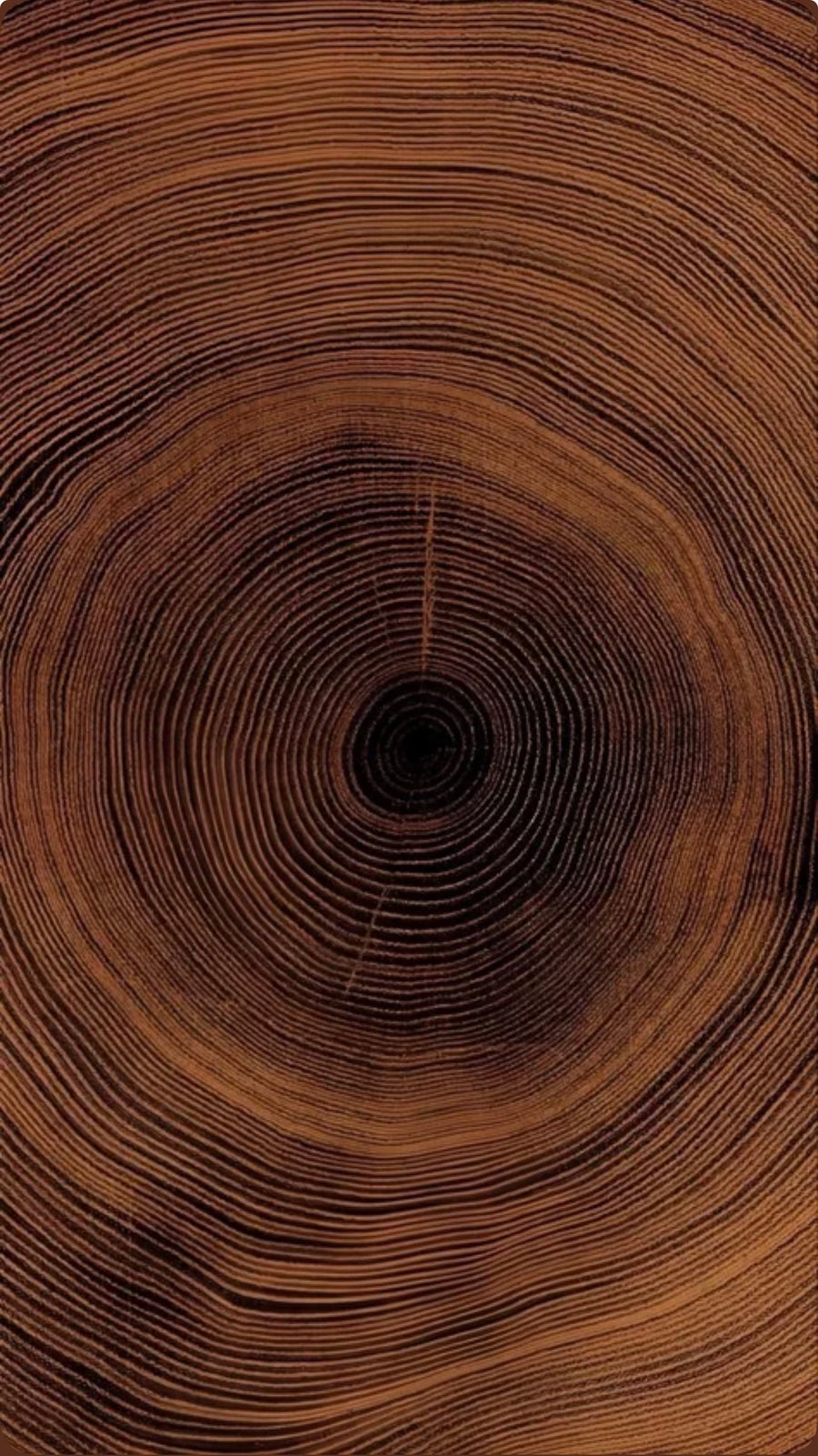
Tight-grained, durable, blonde. The lighter 'sapwood' & darker stain 'heartwood' brush handle. Resists splitting and ages without warping.
Going deeper
Most wellness tools are made to be photographed. Ours are made to be used. Material decisions follow from that one rule.
The skin is not inert. It is the body's largest sensory organ — densely innervated, vascularised, and reactive to the materials it contacts. A tool made of one material does different work than the same tool made of another, even at identical shape and pressure. The mechanism is partly thermal (warm vs cold materials elicit different fascial responses), partly textural (the surface micro-grain of a stone vs a metal vs a wood is read differently by mechanoreceptors), partly conductive (some materials transfer surface charge in ways that affect skin chemistry).
This is not pseudoscience. It is the basic physics of how skin meets matter. A clinical comparison of cold stone gua sha and warm amber gua sha shows different fascial response curves. A copper bristle and a synthetic bristle move similar amounts of stratum corneum but different amounts of lymphatic fluid. The materials are part of the mechanism, not just the aesthetic.
The wellness industry has largely forgotten this, defaulting to materials that photograph well — rose quartz, jade, polished resin. These tools work, but they work less well than materials chosen for what they do, not what they look like. Möxche's material decisions are reverse-engineered from the work each one performs.
Copper has been used in wellness tools for thousands of years across cultures — Ayurvedic copper bowls, Egyptian copper-water vessels, Roman copper bath strigils. The traditional reasoning was variously framed (energetic, antimicrobial, healing), but the underlying physics is consistent: copper is a highly conductive metal with antimicrobial properties at the surface level.
For dry brushing specifically, copper bristles do three things synthetic bristles can't. They conduct. The minor charge differential between skin and copper creates a subtle ionic exchange that many users describe as a tingle — measurable, mild, real. They are soft enough not to abrade. Drawn copper wire is finer than plant fibre at the same stiffness profile, which means it can move lymphatic fluid without scraping the stratum corneum. They are antimicrobial. Copper's surface inherently resists bacterial colonisation, which matters for a tool used daily on the skin without washing between uses.
Synthetic plastic bristles do none of these. Plant fibre bristles (sisal, agave, boar) abrade more, soften faster, and don't conduct. We tested all three before settling on copper.
Not all amber is equal. Baltic amber comes from a single ancient forest that once stood across what is now Russia, Lithuania, and the Baltic coastline. Between forty and sixty million years ago, those trees fell, and their resin sank to the seafloor — pressed, preserved, and fossilised in the Baltic Sea itself. It’s considered the highest quality amber in the world, and it’s the only kind we use.
It is light, warm to the touch, and holds heat differently from stone. Where rose quartz and jade are cold and stay cold, Baltic amber warms in the hand within thirty seconds and holds body temperature throughout a session.
This thermal property changes how the fascia and skin respond. Cold tools cause local vasoconstriction — capillaries narrow, tissue contracts, lymph and fascia momentarily brace. That can be useful for an event (de-puffing before a photo, calming inflammation after exercise) but it works against a daily fascial practice. Warm tools let the tissue soften, the lymph flow, the fascia release. The work feels different, and the body lets it land deeper.
We believe the story goes deeper than heat. This resin was once alive — a tree’s own energy, held in suspension for sixty million years before it ever reached your hands. That’s not something we can put under a microscope. It’s something you feel the moment it warms in your palm.
Where rose quartz is cold and stays cold, amber warms in the hand and holds body temperature throughout a session.
The brush handle is the part you hold for three minutes a day, every day, for years. Material choice here determines whether the tool feels like part of the practice or like a thing you are using.
Beech is tight-grained, durable, and pale. It resists splitting and warping over time, which matters for a tool that gets damp daily. It is light, which suits the longer brushing sessions on the body. Sourced from FSC-certified European forests where beech regenerates faster than it is harvested.
Walnut is denser and darker. The weight in the palm slows the stroke — which, for a lymphatic practice, is desirable. Walnut handles aren't just an aesthetic preference; the additional palm weight means less effort to maintain a slow rhythm. It is the tool that teaches the user to slow down.
Both woods are finished without lacquers or sealants — only food-grade plant oils. The wood breathes. It develops a patina with use. The handle becomes the user's over time.
No plated metals. The thin copper or brass plating on most cheap wellness tools wears off within months, exposing whatever's underneath (often nickel, which is a common skin allergen). Plated tools are advertised as their plating; they perform as their core.
No plastic anywhere on the tool. Plastic doesn't conduct, doesn't breathe, can off-gas, and produces microplastics over time as the surface breaks down. Bristles, handles, packaging — all are non-plastic alternatives.
No artificial dyes, lacquers, or sealants. Wood is finished with plant oils. Amber is polished, not coated. The colour is the colour of the material.
No imported components from supply chains we can't trace. Every part of every tool has a known origin. We don't make claims about provenance we can't substantiate.
Common misconceptions
Five things customers ask us regularly. Each correction reflects a real choice we made — and why we made it.
Copper turning green means it's gone bad.
Copper oxidation (verdigris) is normal and harmless. It indicates the antimicrobial reaction is happening, not that the material is failing. A green tinge can be wiped off; it doesn't transfer to the skin in any meaningful quantity. Bristles still work.
Amber's energy is just folklore
Baltic amber is fossilised tree resin — 30-40 million years old, formed under pressure and time. That’s not folklore, that’s geology. The demonstrable mechanism is thermal: amber holds body warmth, warmth softens fascia, and the tissue releases deeper as a result. We believe the frequency goes further than heat — resin was once a living tree’s own energetic signature, held in suspension for millennia. That part isn’t something we can put under a microscope. It’s something you feel when the stone warms in your palm.
Synthetic bristles are equivalent to copper.
They look similar; they perform differently. Conduction, antimicrobial property, and bristle softness all differ. For the lymphatic effect specifically, copper does work that plastic and synthetic fibre cannot replicate. Plant fibres come closer but soften faster.
More expensive material = better tool.
Price tracks rarity and labour, not function. Provenance and processing matter more than price. A well-made beech-and-copper brush from a known supply chain outperforms an expensive jade-and-plated-brass tool from an opaque one.
Wooden tools should be sealed for hygiene.
Sealants and lacquers prevent the wood from breathing and trap moisture in the finish. Plant-oiled wood is the historical standard — it allows daily use, ages well, and resists bacterial colonisation through the same antimicrobial properties native to certain woods.
The tools
Two brushes — beech and walnut — and a Baltic amber gua sha. Each made in batches small enough that every piece can be hand-finished, every defect caught, every shipment vouched for. We don't make anything we can't stand behind.

from the journal

There's a particular kind of tired that doesn't lift with sleep. You know the one when the eyes feel heavy by seven. The body wants the pillow before the day has even properly ended and underneath it...a flatness, a dimming of self. Like the lights are on but dialed down low. ...
Read this entry
We are rhythmic, seasonal beings. We are allowed to ebb and flow. There will be seasons where we feel expansive and alive, and others where we contract, question, grieve, rest or simply don’t know what the fuck we’re doing. That’s being human.
Read this entry
There's a moment before every big shift where something inside you starts getting loud. Not loud like a decision. Loud like a knowing you can't argue with anymore. It doesn't ask permission. It doesn't wait until you feel ready, or safe, or sure. It just gets louder and louder...
Read this entry
Jess on the difference between suppression and support — and what it took to learn the difference.
Read this entry
40 million years, ten countries, one warming object. Why ancient resin behaves differently against the skin.
Read this entry
Most of what's said about dry brushing skims the top. The real work is in the lymph, the fascia, and the quiet rhythm of doing it daily.
Read this entry

