Coming soon — sign up to be the first to know
Nervous hero — oak with root system

möxche · the spiral within

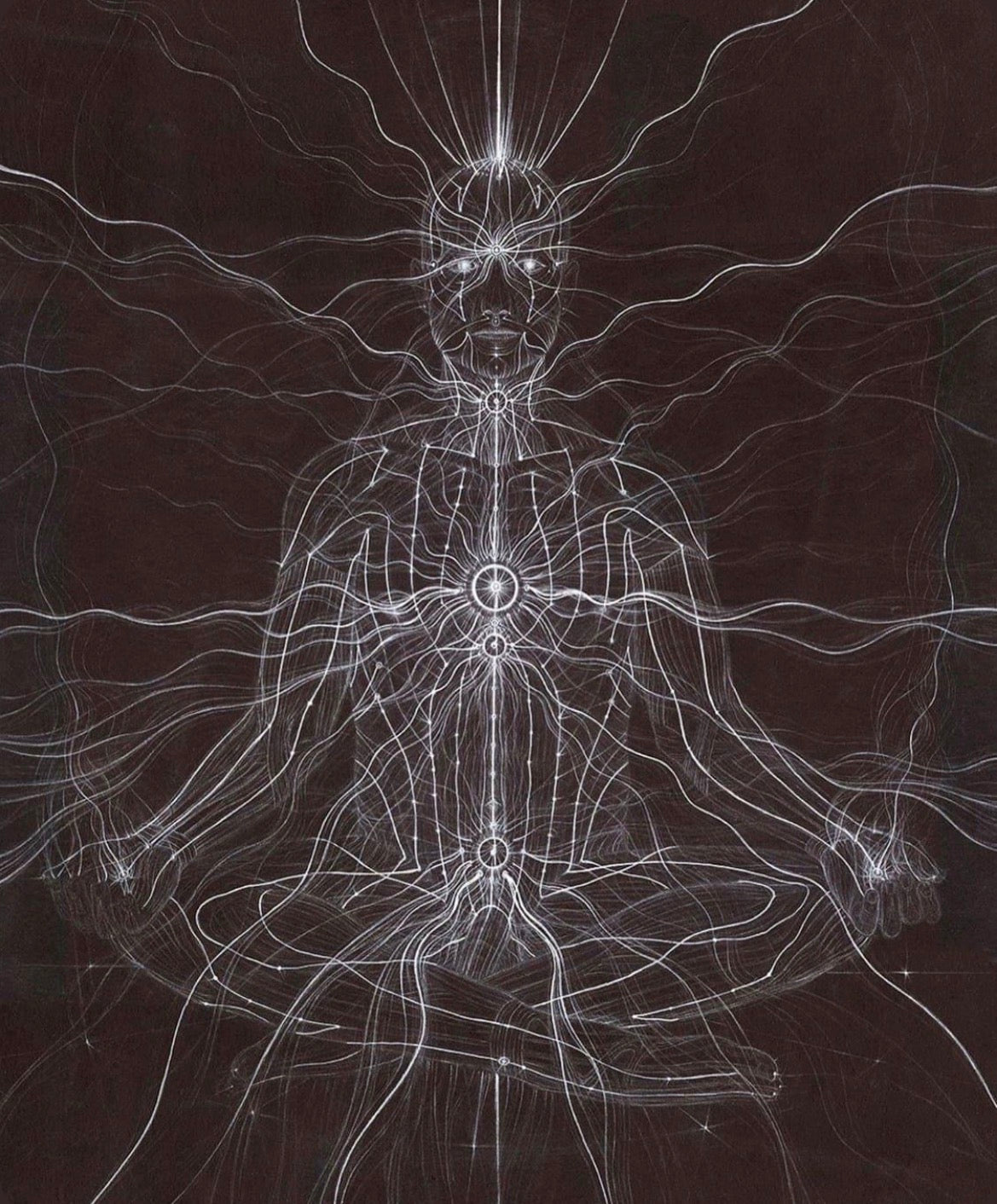
Plate IV — Systema Nervosum

The Spiral Within · 04

The Nervous System

Regulation isn't a mood. It's a practice.

Why this matters

Two settings, one body.

The nervous system has two main settings: sympathetic — alert, mobilised, ready to act — and parasympathetic — digesting, repairing, returning to safety. Most modern lives spend too long in the first and not enough in the second. The body forgets how to come down.

Slow, predictable touch is one of the gentlest ways to signal safety to the nervous system. Dry brushing, applied with attention, becomes a daily cue — a moment of vagal stimulation, a deliberate pause. The breath slows. The shoulders drop. Three minutes is usually enough.

The data

Heart rate variability, regulated and not.

HRV is the variation in time between heartbeats. Counter-intuitively, more variation means a more regulated nervous system. The wider the wave, the more capacity the body has to meet what comes.

Hand-drawn HRV chart, sympathetic vs parasympathetic
Figure I — HRV waveform comparison.

How to read it

  • Sympathetic state —Sharp, narrow peaks. The body in alert. Heart rate variability collapses.
  • Parasympathetic state —Wider, slower oscillation. The body recovering. HRV expands.
  • The threshold —Most people don't cross from one to the other without a deliberate cue. Touch is one.
  • Daily rhythm —A regulated body cycles between both. The dysregulated body gets stuck — usually in alert.

Try this today

Five regulation cues, free and immediate.

Each of these takes under five minutes. None requires equipment. All engage the parasympathetic pathway directly. The nervous system learns from input, not instruction.

01 Slow, audible exhale (4–7 breath)

Breathe in for 4 seconds, out for 7 — quietly audible on the exhale. The lengthened exhale activates the vagal pathway directly. Three rounds is enough to shift state in under a minute.

02 Cold water on the face

Cold water on the cheeks and forehead triggers the mammalian dive reflex — heart rate drops, sympathetic activation reduces. Useful when you're already activated and need to come down quickly.

03 Slow brushing, eyes closed

The morning brushing routine doubles as a regulation cue. Slow, predictable touch + closed eyes + steady breath = parasympathetic input. Three minutes is enough to set the day's tone.

04 Singing, humming, or chanting

Vibration through the throat and chest stimulates the vagus nerve. A few minutes of humming, gargling, or singing engages the same pathway as more elaborate breath work.

05 Walk without your phone

Twenty minutes of slow walking, no input, no podcast. The body's pace and the breath's pace synchronise. The nervous system reads it as safety, not productivity.

Going deeper

Regulation as a practice, not a personality.

The nervous system is the operating system. Most lifestyle interventions only succeed if the OS is calm enough to receive them.

What the nervous system is doing right now

The autonomic nervous system has two main branches and one quietly important one. The sympathetic branch mobilises — heart rate up, peripheral circulation diverted to muscle, digestion paused, attention narrowed. It's the body preparing to act. The parasympathetic branch restores — heart rate down, digestion engaged, immune surveillance active, tissue repair underway. It's the body recovering.

The third branch, the dorsal vagal complex, handles immobilisation under threat — the freeze response. Healthy nervous system function involves fluent movement between sympathetic mobilisation, parasympathetic recovery, and brief dorsal-vagal stillness when the body needs to conserve. Dysregulation isn't being in any one state — it's getting stuck.

Most modern dysregulation looks like this: long stretches of low-grade sympathetic activation (ambient stress, screen-driven hyper-vigilance, decision fatigue) without clean transitions back into parasympathetic recovery. The body never properly comes down, so it never properly repairs. Over months, this shows up as poor sleep, slow recovery, brittle mood, dim focus. Over years, it becomes structural.

Why willpower doesn't regulate the nervous system

The nervous system doesn't respond well to top-down instruction. Telling yourself to relax engages the cortex, which activates more cognition, which is a sympathetic activity. The instruction itself is a stressor. This is why high-performing, self-disciplined people often have the most dysregulated nervous systems — they have applied their excellent willpower to a system that doesn't accept that input.

Bottom-up regulation works. The body sends signals to the brain, not just the other way around — and the body's signals override the cortex when they're consistent. Slow breath. Slow touch. Cold water on the face. Predictable rhythm. Eye contact with someone safe. These are not metaphors. They are physical inputs that engage the vagal pathway and shift the autonomic state from below.

This is why dry brushing works as a regulation practice. The mechanism is mechanoreceptor input — slow, predictable touch on the skin's surface — which the brainstem reads as safety. The body interprets the input before the mind has finished narrating it.

What changes with daily nervous-system practice

The first sign is usually sleep. Within ten days of a daily down-regulation practice — gua sha at night, brushing in the morning, breath work at any time — most people fall asleep faster and wake less. The mechanism is the body learning that the day will contain a cue to come down, and beginning to anticipate it.

By week three, the threshold for activation rises. Things that used to feel urgent feel less so. Email at 8pm doesn't drop you into sympathetic activation as quickly. The body recovers between stressors instead of stacking them.

By month three, the baseline shifts. HRV widens. Resting heart rate drops. The day feels more spacious without the day actually changing. This is what regulation looks like — not the absence of stress, but the body's increased capacity to meet stress and return to baseline.

The body interprets the input before the mind has finished narrating it.

How you'll know it's working

Three signals to track over a month:

  • Sleep onset. The time between lying down and falling asleep. A regulating nervous system shortens this. Track it for two weeks, then again four weeks in.
  • Recovery between stressors. A difficult conversation or a hard email — how long does it take to feel like yourself again? A more regulated nervous system bounces back faster.
  • Resting baseline. The way the body feels at rest, not asleep — the felt sense of being inside it. A regulated body feels softer, less held, less braced. The signal is subtle but consistent.

If you wear an HRV tracker (Oura, Whoop, Apple Watch with HRV apps), look at trend over weeks rather than daily snapshots. Daily HRV is too noisy. The trend is the truth.

When self-care isn't enough

Trauma, especially complex trauma, requires trained therapeutic support — somatic experiencing, sensorimotor psychotherapy, EMDR, internal family systems work, or a similarly body-based modality. Daily home practice supports this work but cannot replace it. If your dysregulation includes flashbacks, dissociation, panic attacks, or persistent dorsal-vagal shutdown (the freeze, the collapse, the can't-get-out-of-bed pattern), find a trauma-informed practitioner.

Persistent insomnia, panic attacks, or cardiovascular symptoms warrant medical evaluation before assumptions about nervous system regulation are made. Some of what looks like dysregulation is something else — thyroid imbalance, blood sugar dysregulation, sleep apnoea — that needs a different intervention. Home practice is excellent maintenance and prevention. It is not a diagnostic tool.

Common misconceptions

What people get wrong about regulation.

The polyvagal vocabulary has gone mainstream in the last few years and most of what's circulating online is half-right. Five corrections worth making.

  • Myth

    If you can't meditate, you can't regulate.

    Reality

    Meditation is one entry point among many. Slow, repetitive physical input — walking, brushing, breathing, cold exposure, slow eye contact — engages the same vagal pathways. The mechanism is regulation; the practice is whichever one you'll actually do.

  • Myth

    Anxiety means your nervous system is broken.

    Reality

    Anxiety means your nervous system is doing what it was designed to do — under conditions it wasn't designed for. The system isn't broken; the input is. Reduce the chronic stress load. Add daily down-regulation cues. The system reorganises.

  • Myth

    HRV apps tell you whether you're regulated.

    Reality

    Daily HRV is highly variable — affected by alcohol, hydration, time of measurement, sensor placement. Trend over weeks is the meaningful signal. A single low day means little; a downward trend over a month means something.

  • Myth

    You should always be calm.

    Reality

    A regulated nervous system is one that moves fluently between states — alert when alertness is needed, calm when calm is appropriate. Constant calm isn't regulation; it's often suppression. The goal is range, not flatness.

  • Myth

    Cold plunges fix everything.

    Reality

    Cold exposure is a powerful sympathetic activator that triggers a strong parasympathetic rebound — useful, but intense. Daily gentle practice (slow brushing, slow breath, slow walks) builds baseline capacity. The cold plunge is a stress test on top of that capacity, not a substitute for it.

From the field

The tool that serves this pillar

Ionic Copper Dry Brush

The brush is a regulation cue. Slow strokes, predictable rhythm, eyes-closed attention — the parasympathetic conditions, met deliberately. The skin is the largest sensory organ, and slow touch is its native language.

Three minutes, before the day begins. Less performance, more pause.

Explore the brush